Beyond the classroom

Excursions & Special Programs

Guided cultural excursions across Cuernavaca and the region.

Cultural Excursions

$40 to $65 US depending on the location. Includes transportation, guide, and entrance fees.

Teaching you the language and showing you our country is our passion. Learn Spanish with all its splendor with the enrichment of language, culture customs and beliefs.

Cultural excursion

Featured Destinations

Day of the Dead

Day of the Dead

Live One of the World's Most Fascinating Celebrations

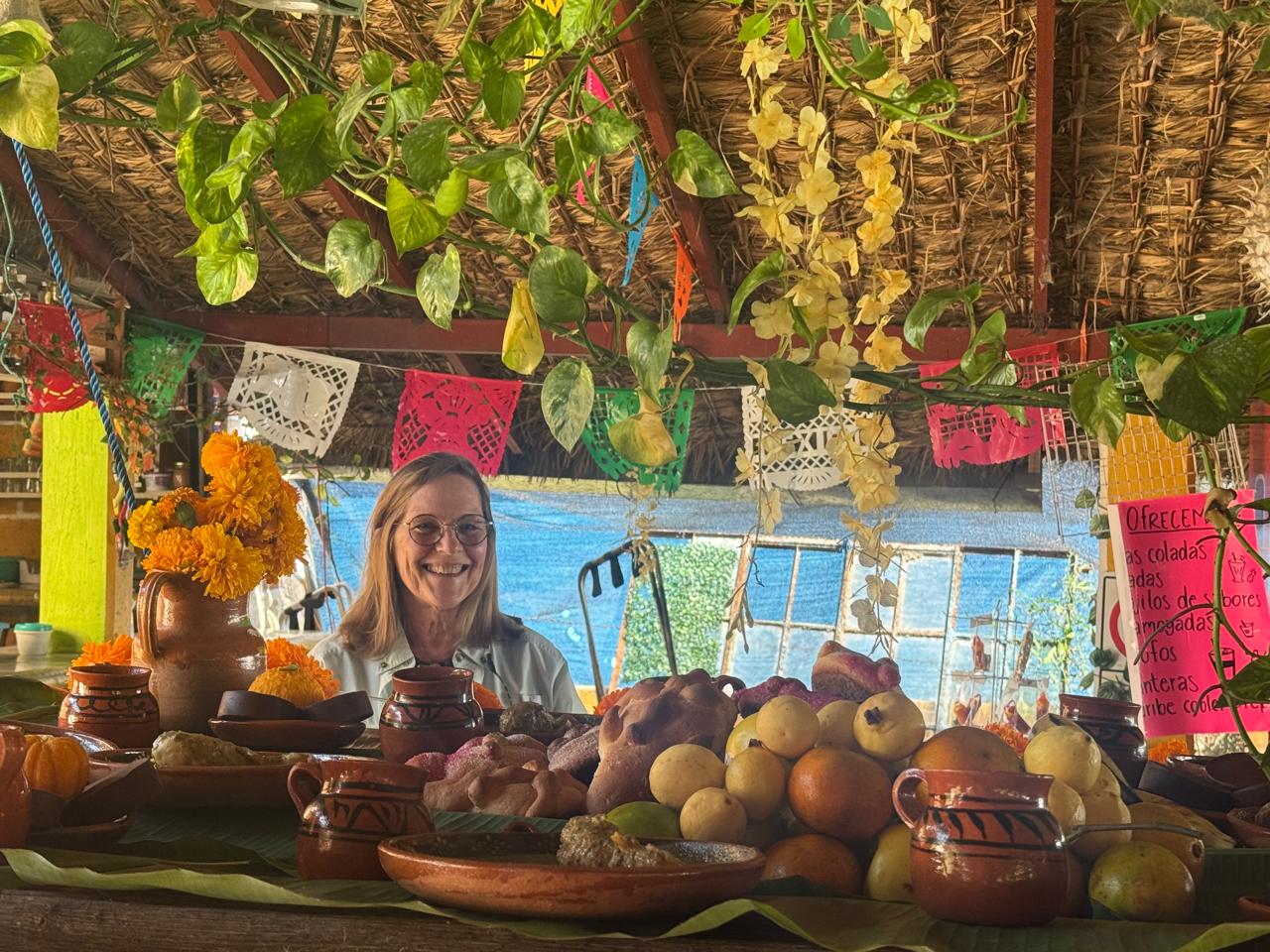
Experience one of the world's most fascinating cultural celebrations as you immerse yourself in the traditions of Día de los Muertos in Mexico City and Cuernavaca.

Discover the rich history and vibrant culture of Mexico through Spanish immersion classes, cultural excursions, traditional cuisine, and unforgettable Day of the Dead festivities. Visit museums, archaeological sites, and historic landmarks while observing the colorful altars, processions, and ceremonies that honor loved ones who have passed on.

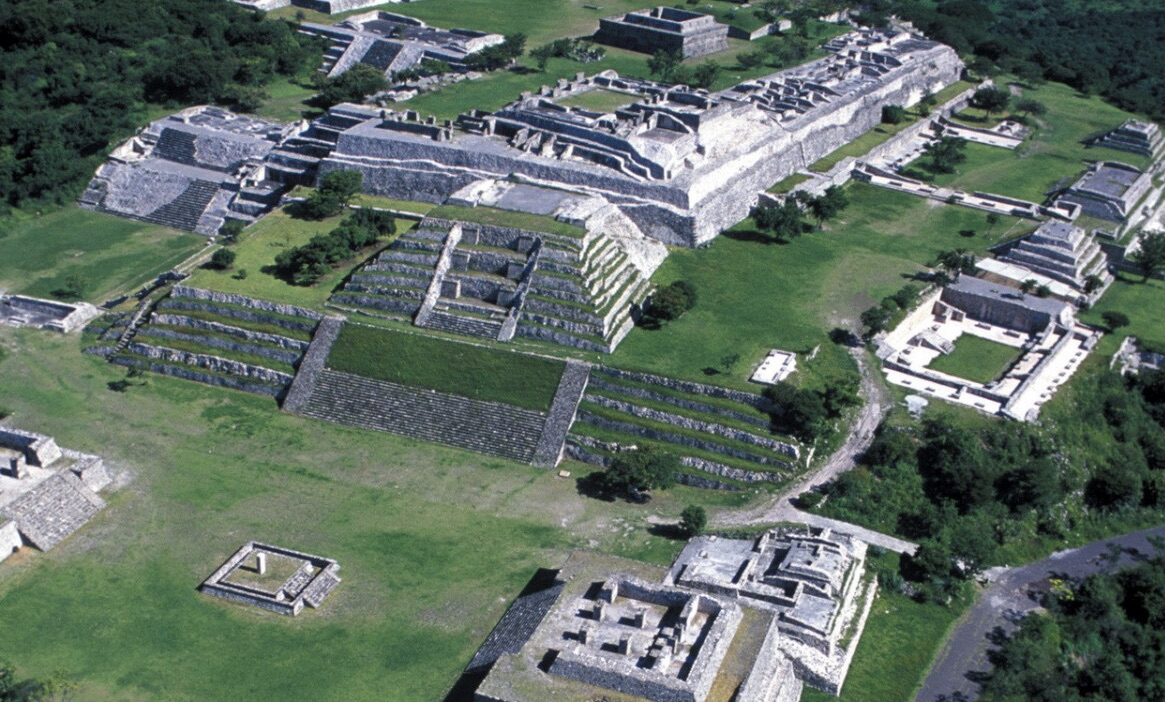
Xochicalco

Xochicalco

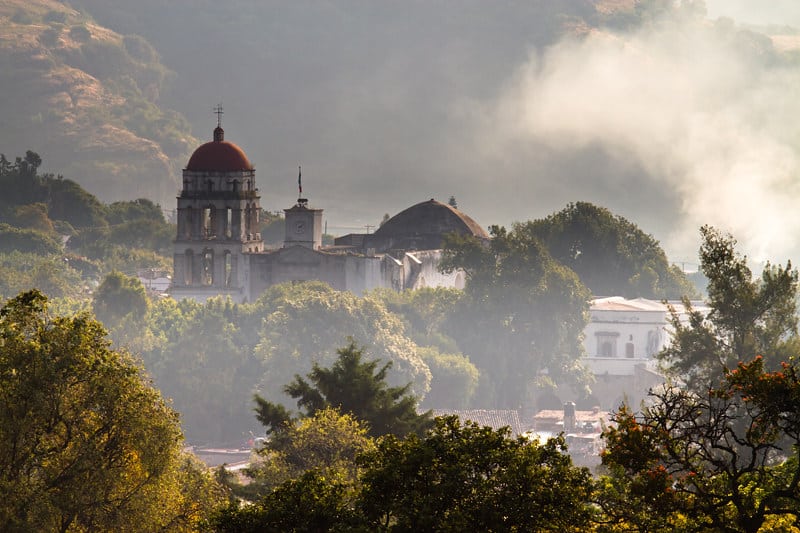
A fortified ancient city known for its impressive ruins, located atop a large hill and parts of the surrounding hills near Cuernavaca.

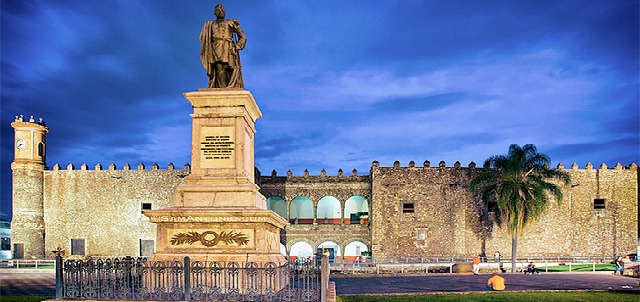
The Palace of Cortés Cuernavaca

The Palace of Cortés Cuernavaca

Built between 1523 and 1528, it is the oldest conserved colonial-era civil structure in the continental Americas. The architecture blends Gothic and Mudéjar styles, typical of early 16th-century colonial buildings. It began as a fortified residence for conqueror Hernán Cortés and his aristocratic second wife, Doña Juana de Zúñiga, built over a Tlahuica tribute-collection center that the Spanish destroyed during the Conquest.

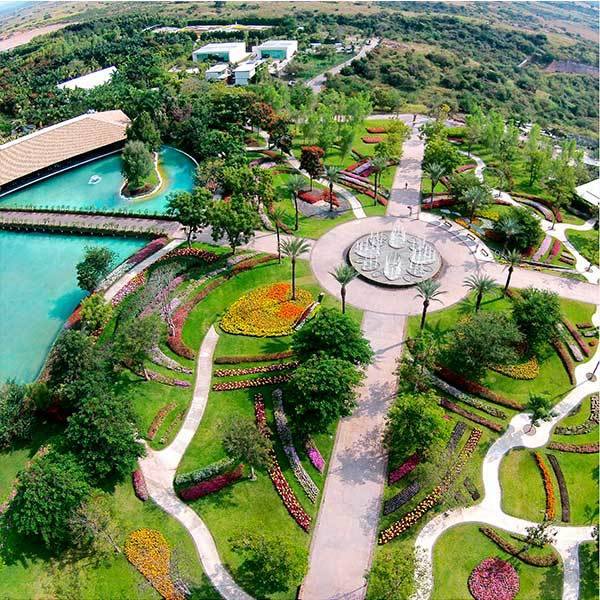
Jardines de México

Jardines de México

The largest contemplative flower gardens in the world, spread across 51 hectares.

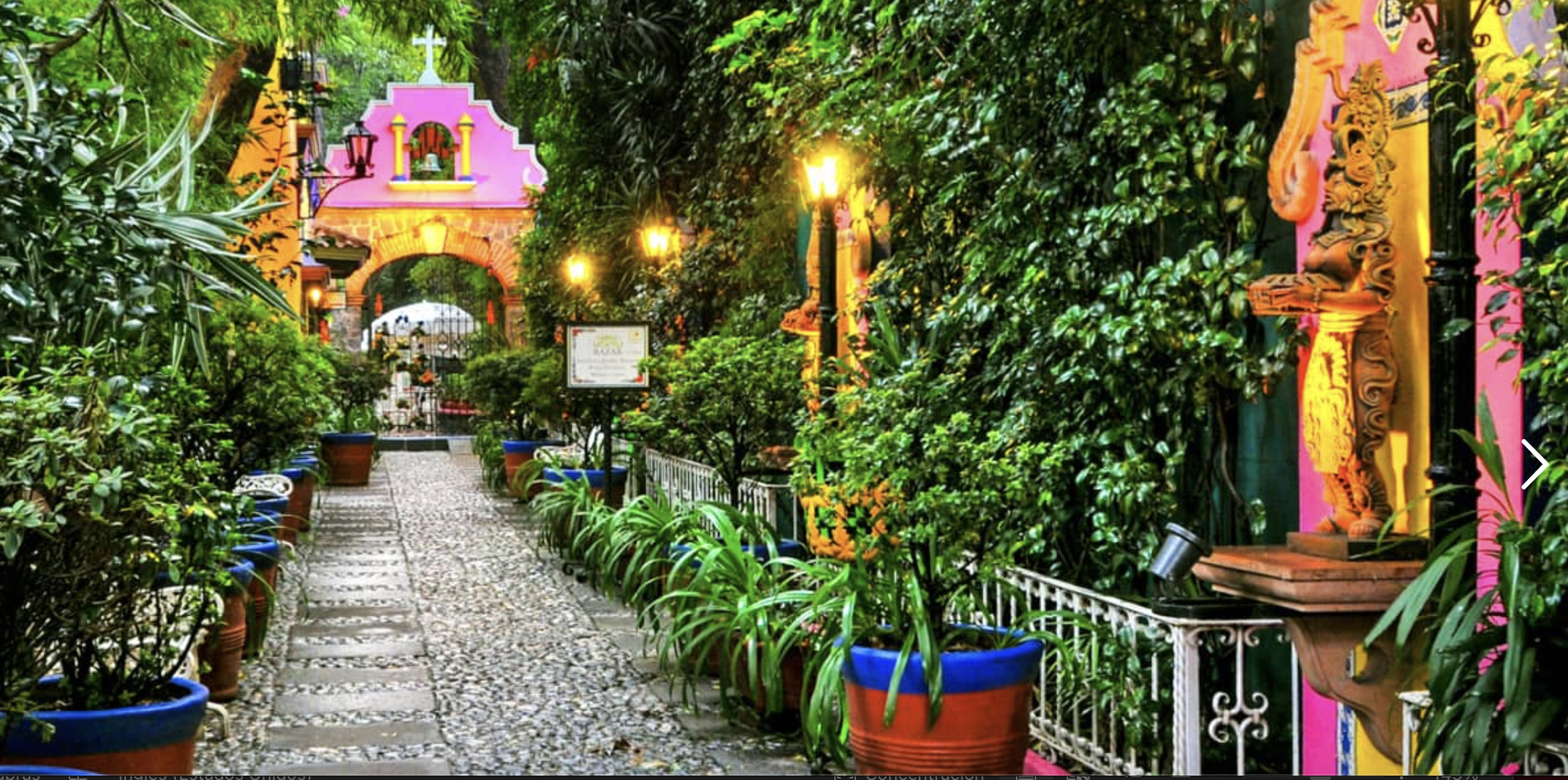
Mexico's Stunning Haciendas

Mexico's Stunning Haciendas

Holding a rich, glorious, and sometimes ominous place in the country's history, Mexico's stunning haciendas are unique memorials that offer tangible links to Mexico's past. Dating back as far as the 1500s, immediately following the Spanish colonization of Mexico, haciendas have played an important part in what Mexico is today.

Museo Robert Brady

Museo Robert Brady

One of the most iconic cultural spaces in Cuernavaca. This house-museum, located behind the cathedral in the so-called Casa de la Torre, is a modern, international counterpart to a particularly emblematic architectural complex in the city, whose construction began in the 16th century as a Franciscan convent.

Taxco

Taxco

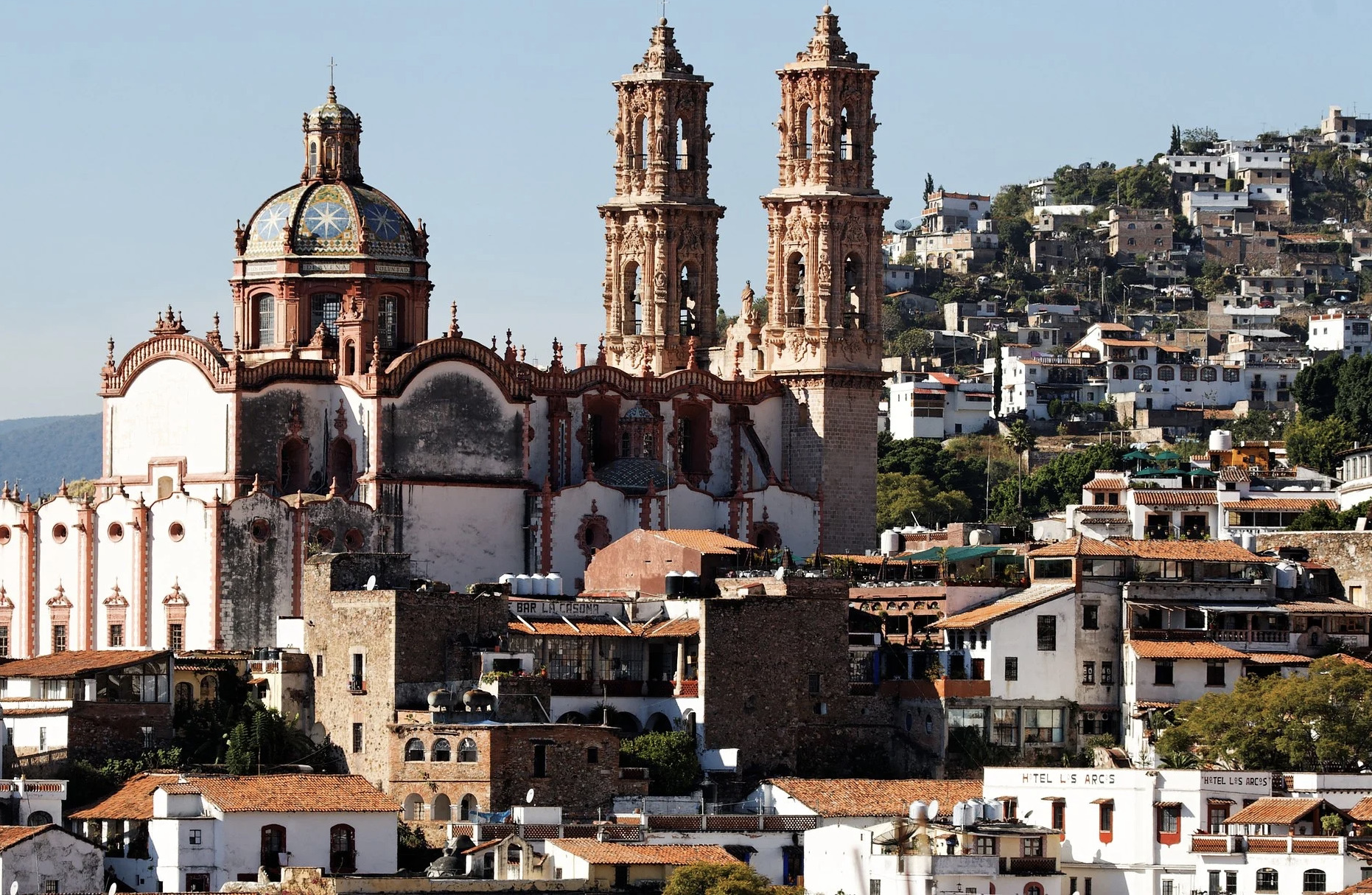
The first sight of Taxco's white buildings scattered across the steep valley is enough to take your breath away. Surrounded by dramatic mountains and cliffs, its perfectly preserved colonial architecture — crowned by the twin belfries of the baroque Templo de Santa Prisca — makes for one of the most beguiling views anywhere in the central highlands.

Grutas de Cacahuamilpa National Park

Grutas de Cacahuamilpa National Park

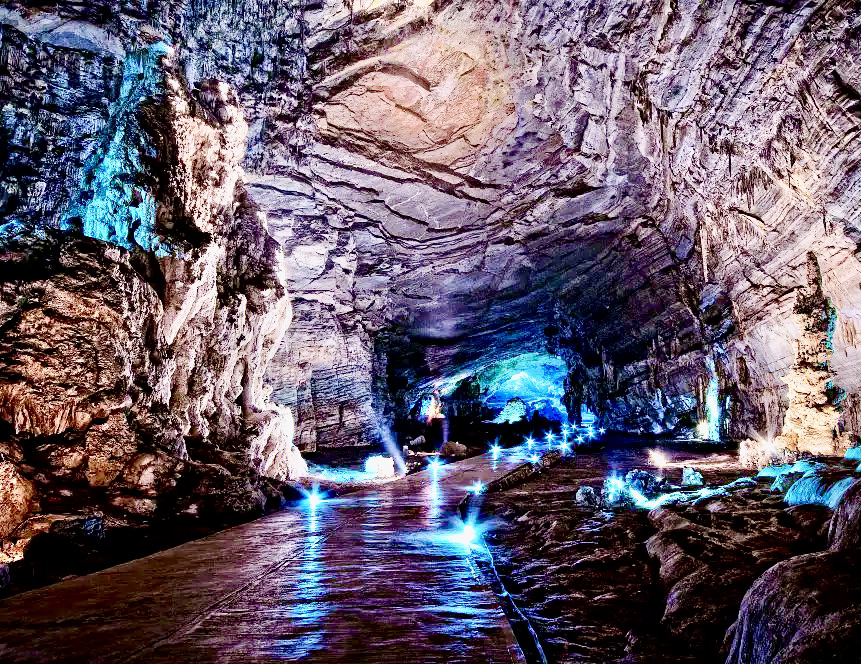
Cacahuamilpa is one of the largest cave systems in the world — a "live" system where groundwater still filters down and the formations continue to grow. The cavern holds ninety large chambers separated by natural rock walls and connected by a central gallery, though only about twenty are fully explored and open to the public, mostly beneath the Cerro de la Corona limestone ridge. Most chambers are named for their major formations, such as the Goat Chamber, the Throne Chamber, and the Cathedral Chamber. One of the drier chambers, dubbed the "Auditorium," has a large flat floor fitted with seats and is rented out for events and concerts.

Tepoztlán

Tepoztlán

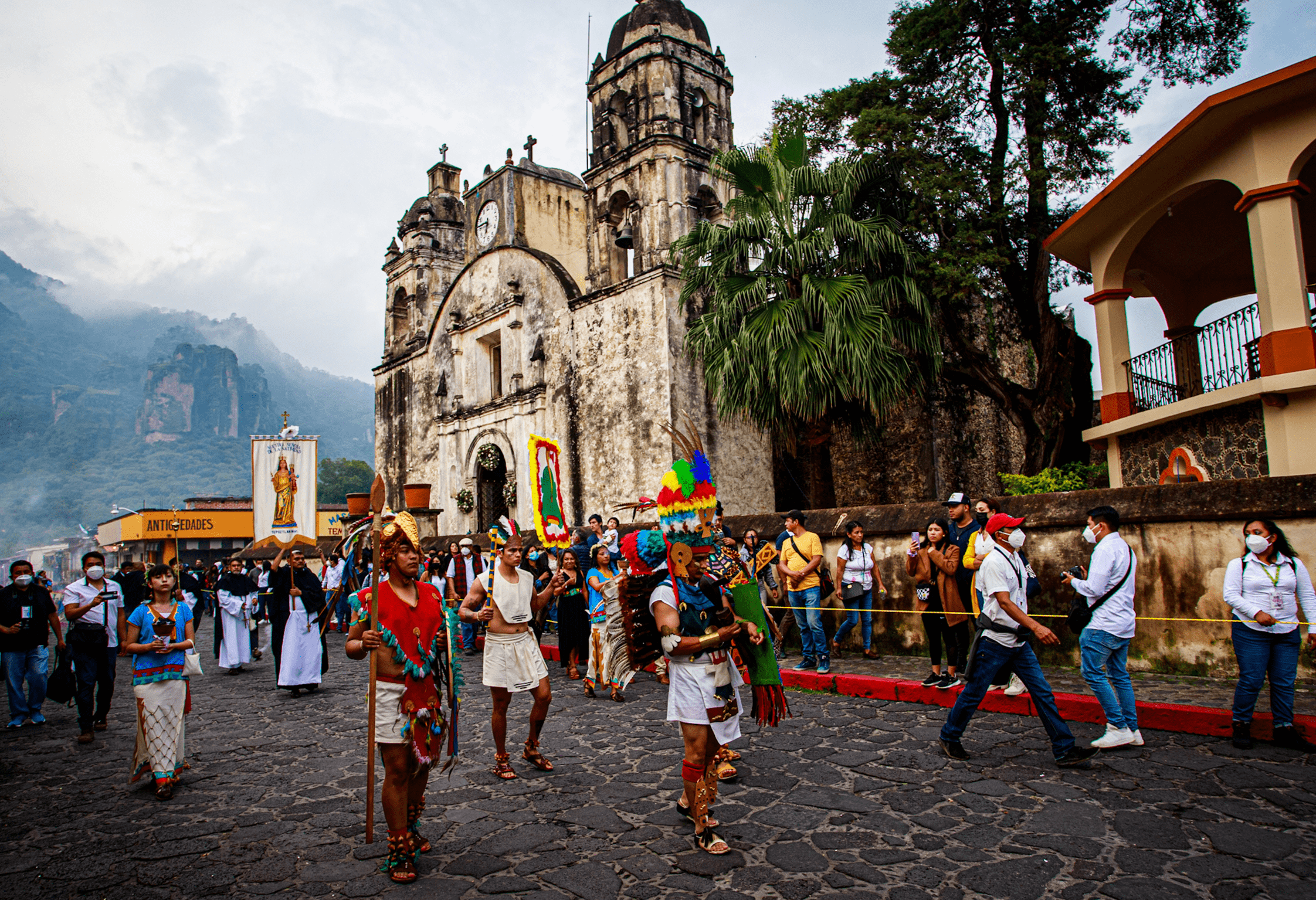
A mysterious pre-Hispanic village and center for mysticism and spirituality. According to legend, it is the birthplace of the Aztec god Quetzalcóatl, and visitors flock here year-round for meditation. Tepoztlán's streets are lined with shops selling crystals, New Age books, and incense, but its most spiritually healing aspect is its stunning natural setting.

Jardín Borda

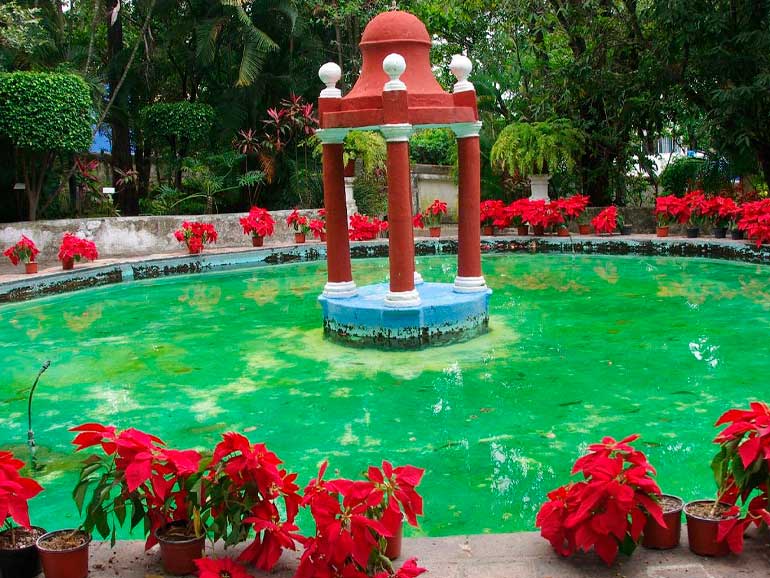
Jardín Borda

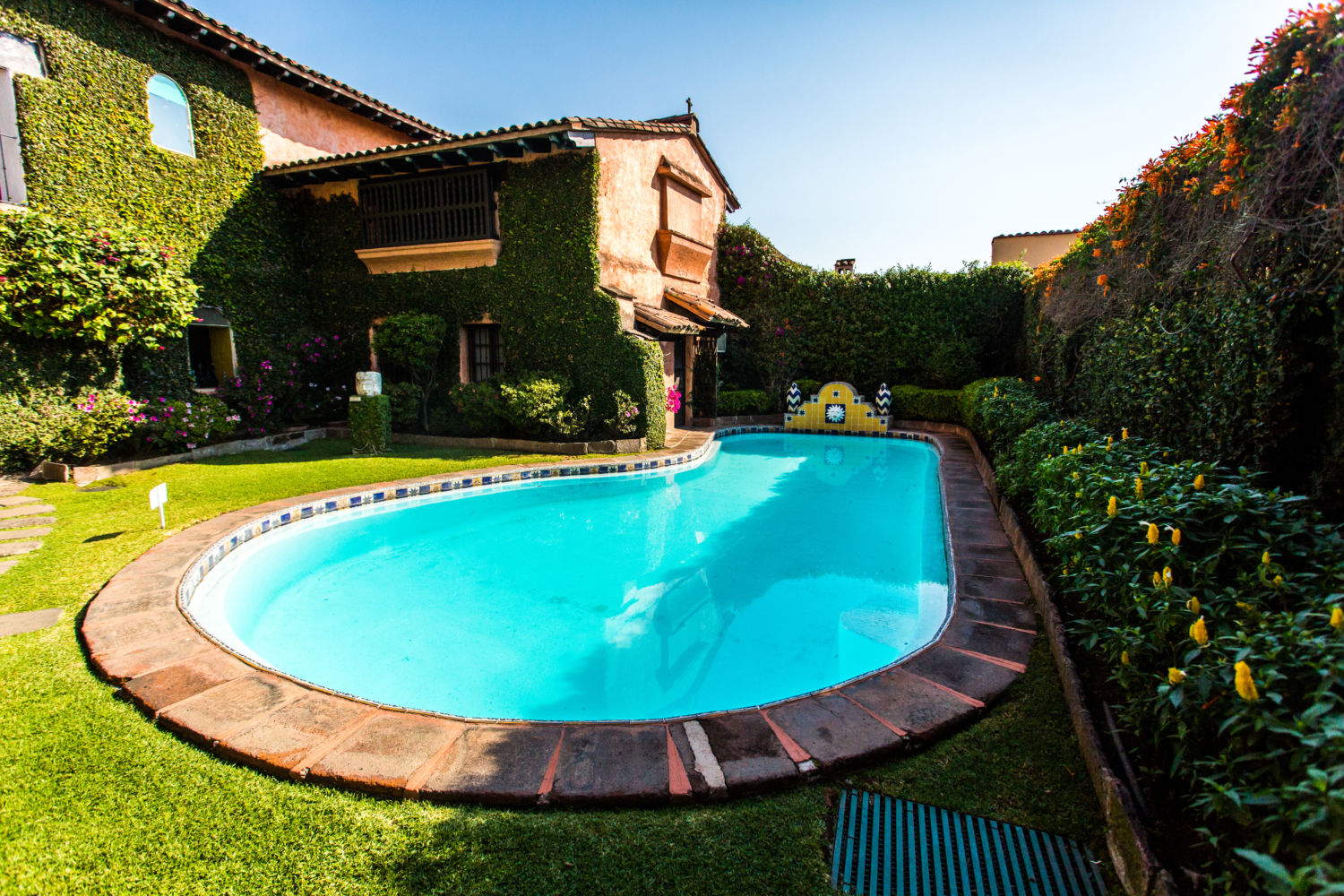
Close to the cathedral stands this former summer mansion with beautiful gardens, built by Taxco's wealthy miner José de la Borda. Fond of botany and horticulture, he brought together several plant species within a French-style landscape. A church built before 1778 stands nearby, and work on the garden, including its interior lake, was completed in 1783. Visitors who stayed here wrote books and articles about the gardens, making the estate famous. It later served as a summer residence for Emperor Maximilian and Empress Carlota, who chose it for its beauty. The "Juárez Section" recreates the building's original setting and houses a small museum with 18th-century furniture, clothing, and copies of documents from the Empire. Today, Jardín Borda is part of the Institute of Culture of Morelos, hosting exhibitions of painting, sculpture, and photography, as well as dance, theater, and concerts.
La Casa Azul de Frida Kahlo

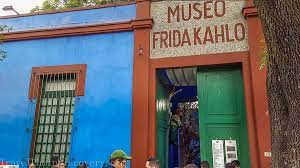
La Casa Azul de Frida Kahlo

Mexican surrealist painter Frida Kahlo was born in 1907 and spent most of her life here. Often confined to her bed by physical limitations, Kahlo painted numerous self-portraits reflecting her personal anguish. Her extraordinary life is captured within the walls of her family home, La Casa Azul, now a museum dedicated to her legacy.

Puebla "Ciudad de los Ángeles"

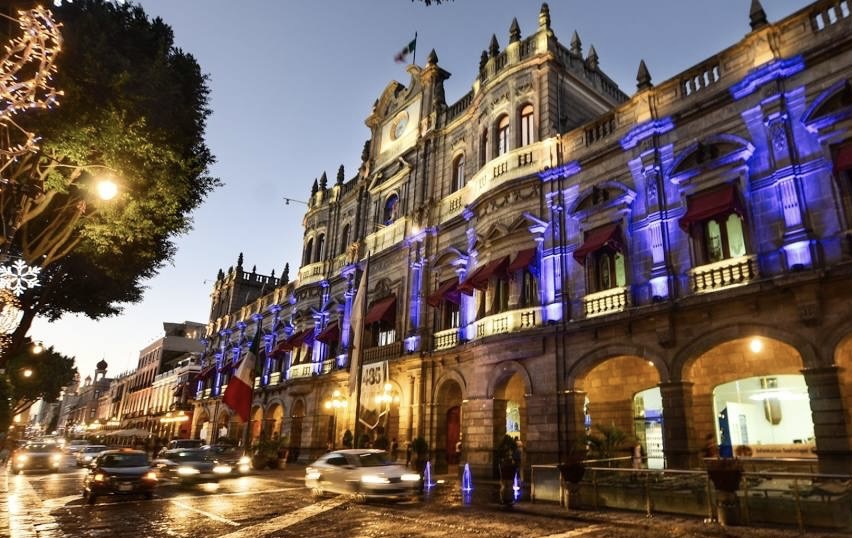
Puebla "Ciudad de los Ángeles"

Founded by the Spanish in 1531 and occupied by them for nearly 300 years, Puebla's colonial buildings are truly impressive. It is home to Talavera tile, famous throughout Mexico. We'll visit the stunning International Museum of the Baroque, the lovely Amparo Museum, the former convent of Santa Mónica, and the magnificent Santa Rosa folk art museum, along with the site of the victorious Cinco de Mayo battle. As they say, "Ir a Puebla y no comer mole poblano es ir en vano" — going to Puebla without trying mole poblano is a trip in vain.

Teotihuacán

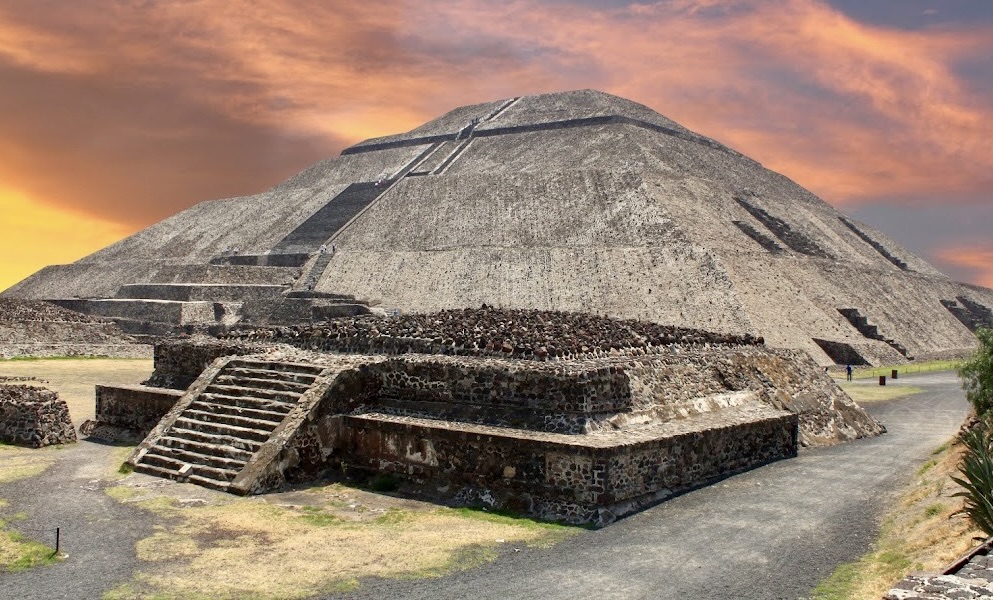
Teotihuacán

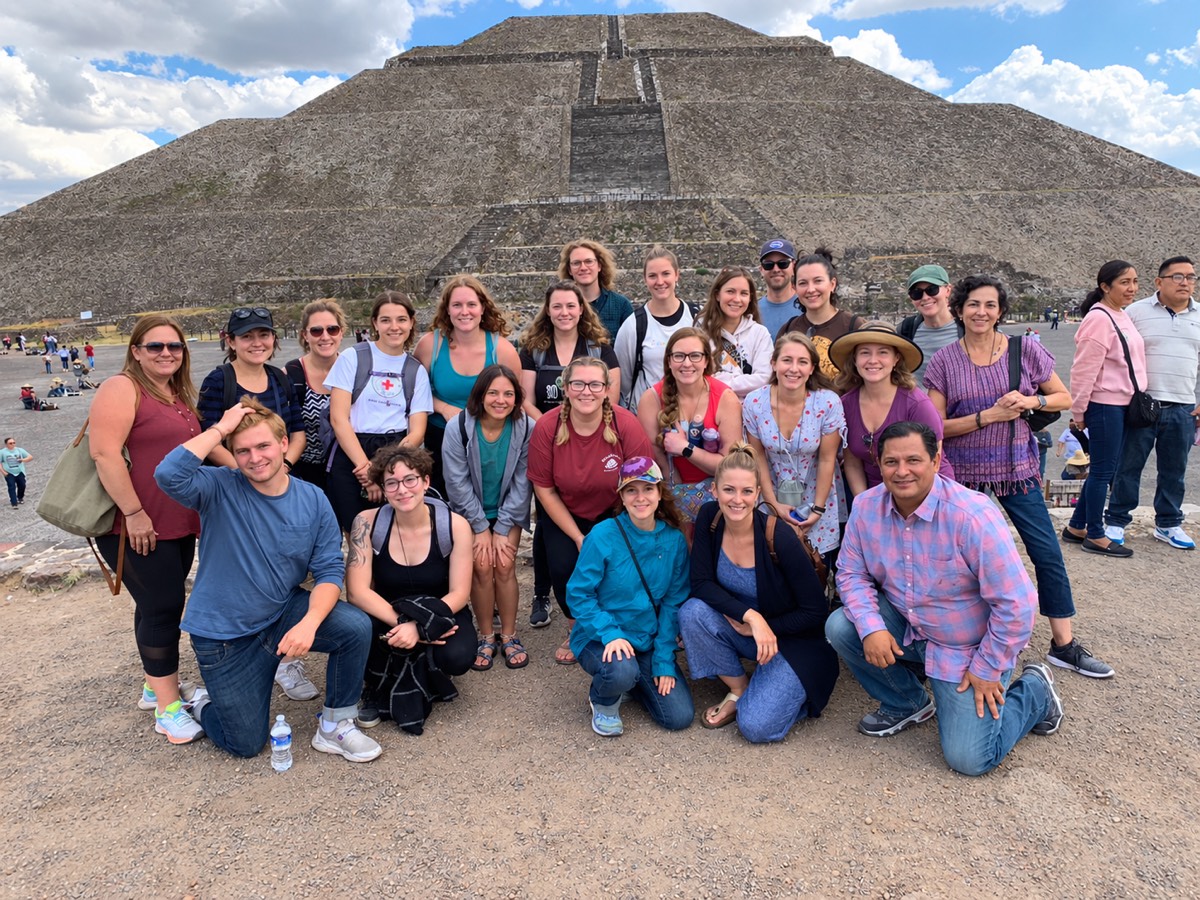
Teotihuacán (Nahuatl for "The City of the Gods") was the most important and largest city of pre-Aztec central Mexico, located about two hours from Cuernavaca. At its height (around 500 CE), it covered some 8 square miles (20 square km) and supported an estimated population of 125,000–200,000 — one of the largest cities in the world at the time, and the region's major economic and religious center. Teotihuacán was designated a UNESCO World Heritage Site in 1987.

Malinalco

Malinalco

Explore deep into the soul of Malinalco — a world of history, culture, and natural beauty long shrouded in mystery.

Questions about these excursions?

info@spanishincuernavaca.com
+52 1 777 181 7605